Post-Purchase Moments That Raise LTV in 30 Days
Learn which post-purchase moments increase customer lifetime value in the first 30 days and how brands turn early buyers into repeat custome
In e-commerce, the work doesn’t end the moment a customer hits the buy button. In fact, it’s only just begun.
If you sell products and services online, the post-purchase experience is the most powerful lever to increase your customer lifetime value (LTV) and drive repeat revenue.
That’s because repeat buyers aren’t just more likely to buy again; they’re more valuable.
Across the industry, roughly 65% of company revenue now comes from repeat customers. Similarly, a simple 5% lift in retention can boost profits by somewhere between 25% to 95%.
Yet despite these outsized returns, many ecommerce brands still treat the post-purchase period as an afterthought. They focus their marketing budgets on acquisition while going quiet once a shopper completes their order confirmation.
This gap presents a massive opportunity. Today, we’ll share the key post-purchase optimization moments that elevate LTV in the first 30 days.
Our recommendations are rooted in real customer behavior, which we use for our clients to increase retention.
We’ll cover:
- Why the post-purchase period matters so much for retention and LTV
- The key post-purchase moments you can optimize to increase repeat purchases
- How you can turn refund or return requests into a second-chance sale
- Common post-purchase mistakes that quietly reduce customer lifetime value
P.S. Are your post-purchase moments going quiet after checkout? Many brands focus on acquisition while leaving retention untapped. At 9AM, we help ecommerce teams build performance-driven systems that turn first-time buyers into repeat revenue.
Read Next: 2026 Brand Playbook: Where Performance Meets Storytelling
Why Post-Purchase Period Is So Important (And What Most Brands Get Wrong)
The moments right after checkout are among the most decisive periods in the customer lifecycle. Studies show that the actions a brand takes (or fails to take) between payment and product delivery have an outsized influence on customer retention, loyalty, and future revenue.
In a survey by Sorted, a staggering 93% of respondents said the post-purchase customer experience matters to them. And 83% believe there’s room for improvement in how brands communicate after a purchase.
When that phase goes poorly, shoppers may disengage, abandon loyalty, or even switch to competitors.
And it’s clear that marketers aren’t cashing in on the post-purchase moment.
For instance, a Content Marketing Institute study found that only about 15% of video content, a highly effective format, is dedicated to the post-purchase stage. This is despite the fact that post-purchase interactions can define whether a consumer becomes a repeat buyer or churns.
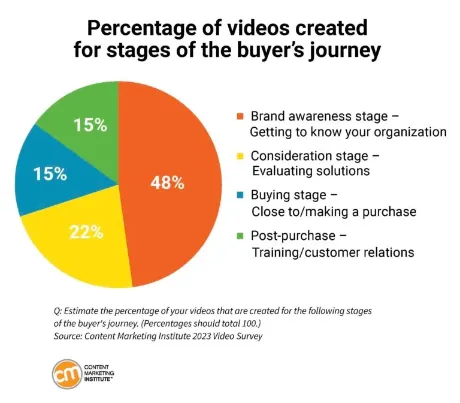
This is a critical oversight, because research on normalized consumer behavior shows that post-purchase evaluation directly influences future purchase patterns.
When consumers compare their expectations versus the delivered product experience and brand communication, that evaluation is one of the strongest predictors of whether they’ll return.
In fact, we have observed that brands that optimize post-purchase communication, including smart thank-you emails, tracking updates, and proactive customer service, see far higher repeat purchase intent than those that stay silent.
Personalized follow-ups tailored with customer purchase data can increase second-purchase rates by about 45%.
Even simple elements like accurate tracking updates and proactive shipping notices matter. Around 90% of online shoppers actively track their orders. When that experience feels transparent and timely, it builds trust and reduces anxiety.
This, in turn, supports customer loyalty, lowers support friction, and creates future opportunities for cross-sell, subscription, and referral programs.
On the flip side, a poor post-purchase experience damages your brand and raises perceived risk, driving customers away. 87% of customers will abandon a brand after a negative experience.
Key Post-Purchase Optimization Moments to Raise LTV
Below, we have shared different but equally important moments in the 30 days after purchase that are clear opportunities to increase retention and LTV.
Moment #1: The Confirmation Page Optimization Window
The confirmation page is the most underutilized revenue surface in e-commerce.
At this point, the customer has already trusted you with their money. Conversion friction is gone. Purchase intent is validated. Yet most e-commerce brands show a static “Thank you” message and send shoppers away.
That’s a mistake. This is where smart merchants win. And this is what you should do:
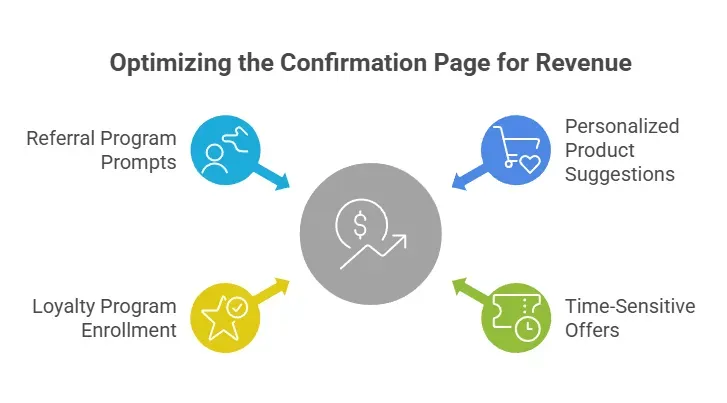
Turn order confirmation into a conversion asset
Instead of a static order confirmation, you can transform this page into a dynamic conversion engine using:
- Personalization in product suggestions based on behavioral data (or simply what they bought)
- A time-sensitive one-click offer
- Loyalty program enrollment
- Referral program prompts
In our experience working with e-commerce teams, this is where many stores leave revenue on the table. The confirmation page usually gets treated as a receipt instead of a growth lever.
Tools like Shopify’s native post-purchase extension, Recharge (for Subscription services), and third-party apps such as ReConvert enable post-purchase upsell flows without interrupting checkout.
Cross-sell and subscription nudges
If you sell consumables or repeat-use products, the post-purchase upsell is the perfect place to introduce a subscription.
Instead of pushing discounts, test:
- “Upgrade to subscription & save 10%”
- “Add a backup at 15% off”
- “Complete the routine” bundles (cross-selling high-margin accessories)
Use A/B testing inside your ecommerce analytics stack (Google Analytics 4 + platform-specific analytics like Shopify analytics) to measure take rate, incremental revenue per order, and impact on 30-day repeat purchase rate.
Avoid over-discounting. The goal is LTV expansion, not margin erosion.
Loyalty program enrollment
If you have a loyalty program, the confirmation page is prime real estate to enroll customers into it.
In our daily practice, we have noticed that customers are far more willing to join loyalty programs immediately after checkout, when their purchase satisfaction is highest.
Loyalty programs are instrumental in raising LTV from customers. Statistics show that loyalty programs influence their decision to buy from a brand again. And these programs can increase a customer's yearly revenue by as much as 15-25%.
Offer immediate loyalty points for account creation or social sharing. Immediate gratification strengthens brand loyalty and increases the probability of a second purchase within 30 days.
Referral program prompts
Post-purchase excitement is highest immediately after checkout. You can play into that excitement to not only retain the customer but also gain new ones. And the key to that is referrals.
From what we’ve observed, this is where most brands miss an easy acquisition opportunity.
This is the moment to trigger referral programs. You can add offers such as cash-based referral bonuses, store credit incentives, or bonus loyalty points for sharing.
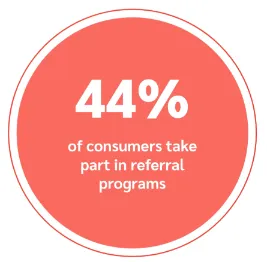
You’re converting positive momentum into acquisition, without paid ads. When offered, customers do take these offers.
Moment #2: The First 48-Hour Email & SMS Experience
The hours immediately after a purchase, particularly the first 48, are windows in the post-purchase experience for increasing LTV and accelerating customer retention.
How you communicate in this early period sets expectations, confirms trust, reduces anxiety, and primes the customer for future engagement with your brand.
Across ecommerce brands, post-purchase email and SMS sequences can influence repeat-purchase rates, deepen brand loyalty, and increase overall revenue.
Through emails and SMS, you can offer the same options as on the confirmation page: upsells, cross-sells, loyalty program sign-up, or referrals (without being too pushy, of course).
Some effective ways to make use of this time and keep the customer engaged are:
- Reinforce purchase confidence: Rather than just saying “Thanks for your order,” great post-purchase messages include order details, estimated delivery dates, tracking updates, and context on what’s next.
- Educational onboarding content: Introduce the brand with an email and tell them about yourself. Or, better yet, provide information related to the product they ordered, such as how-to videos, setup guides, product care instructions, and usage tips.
- Set expectations for delivery: Delivery milestones are another powerful moment during this early window. Providing tracking updates via SMS and email, ideally with concise status indicators, reassures customers they’re in control of the process and builds anticipation.
Pro Tip: We suggest using email automation platforms like Klaviyo for segmented flows and SMS engagement tools for high-open, high-impact updates.
Moment #3: Delivery & Unboxing as a Retention Lever
Remember that your shipping and delivery experience is not operational overhead. It’s actually another opportunity into retaining a customer.
By the time the package arrives, the customer has already formed expectations about your brand. Now you either reinforce trust and excitement or introduce doubt.
Why is this important? 32% of consumers will stop doing business with a brand they love after just one bad experience.
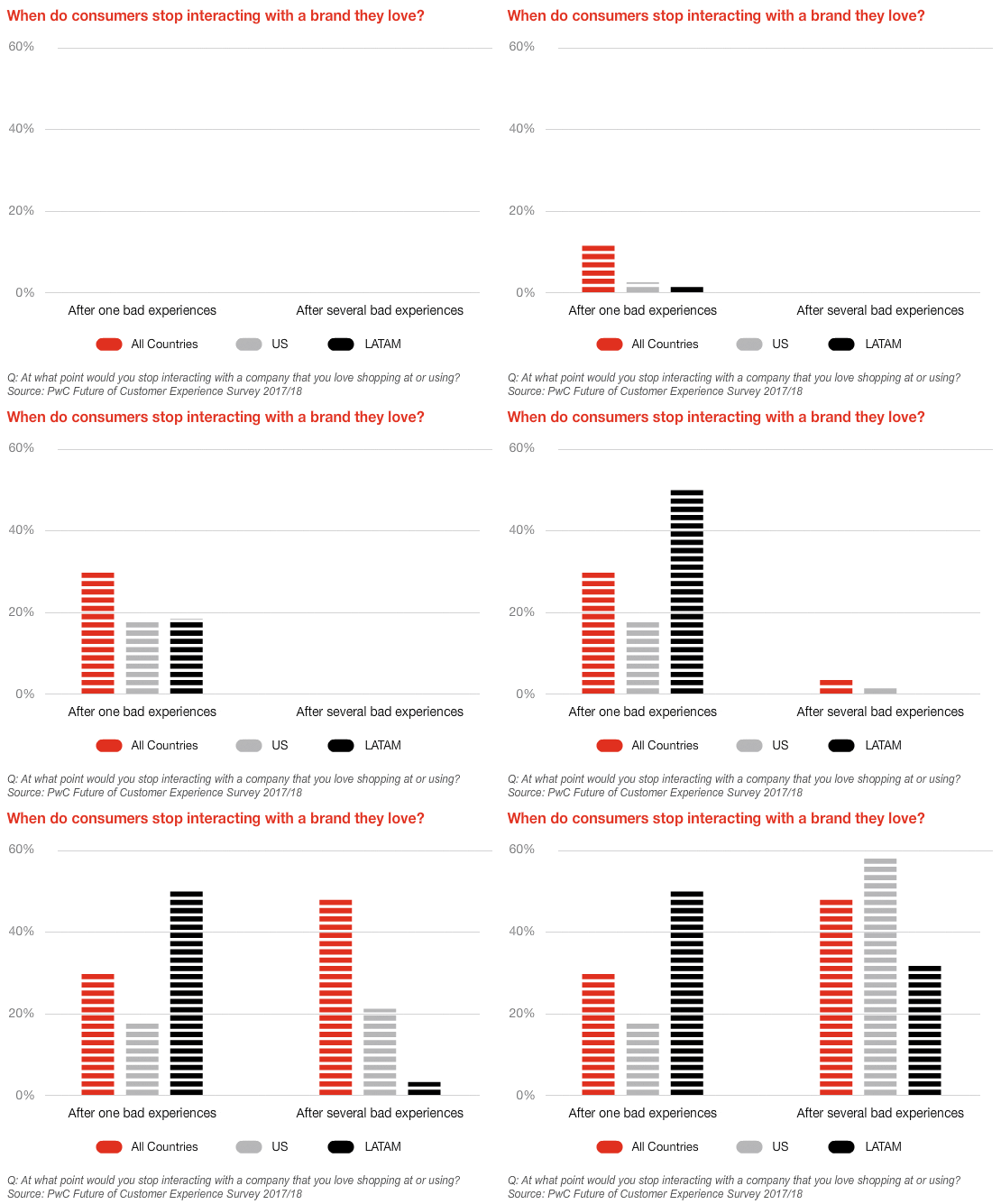
Your job is to make sure delivery and unboxing are smooth and don’t turn into a bad experience. But there’s more. You can also take the moment to form a powerful relationship. Here’s how:
Packaging as a brand touchpoint
Packaging is part of your user experience. It shapes perception of quality, trust, and professionalism. For ecommerce brands competing in saturated categories, this is measurable differentiation.
From what we have seen working with various e-commerce teams, packaging mostly gets treated as a logistics cost instead of a brand moment. That is where many brands miss an opportunity to retain customers.
Instead of treating packaging as pure cost, consider:
- Branded inserts explaining your story (brand reinforcement)
- Clear product education cards to reduce confusion
- Highlighting loyalty programs or rewards program benefits
This transforms delivery status into a bridge between transaction and relationship.
Surprise inserts, QR codes, and offers
Unboxing is your first offline opportunity to drive digital behavior. Including a QR code that links to a product education page, a personalized recommendation email signup, a loyalty points dashboard, or a referral program's landing page gives customers a clear next step.
In our experience, simple QR codes inside packaging often outperform follow-up emails because customers interact with them while the excitement of the purchase is still fresh.
Encourage UGC at the unboxing stage
Unboxing is one of the most powerful triggers for User-Generated Content (UGC). And that content can help with acquisition.
After all, 56% of consumers say they are likely to buy something featured in a positive UGC.
You can prompt customers to share their unboxing on social media engagement channels, tag your brand, or join a customer community.
You can further incentivize it with discounts or loyalty points.
Pro tip: UGC can also serve as ad assets for paid social campaigns. That’s what we did for ou client, Prose, a haircare brand.
Trigger social proof loops
The delivery moment is also ideal for timing your product review request strategy. Instead of waiting blindly, use tracking and logistics data to trigger review flows after confirmed delivery plus realistic usage time.
We have seen that brands that align review requests with actual product usage typically collect more detailed and credible feedback.
This is your gateway to getting social proof that can bring in more customers. According to Gartner, it works because it strongly influences decision-making.
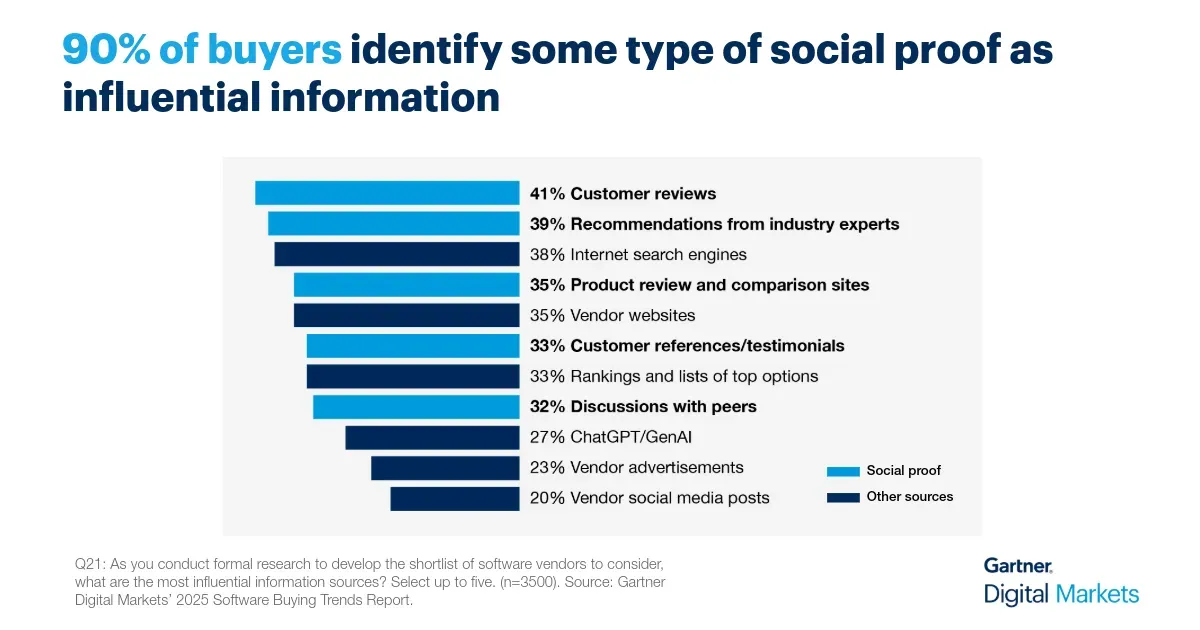
Every review collected during this window increases conversion rates for future shoppers and strengthens brand credibility versus competitors.
Platforms like Shopify, WooCommerce, and BigCommerce integrate easily with review and loyalty programmes.
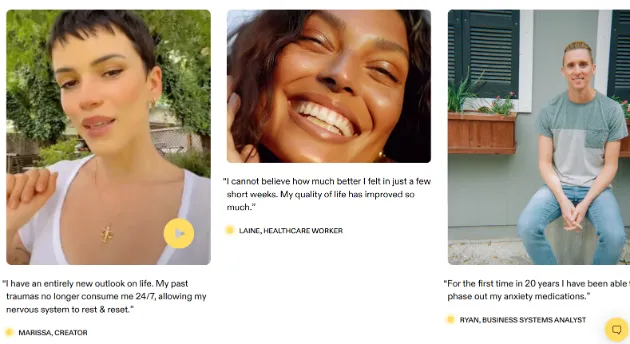
Insider tip: You can also feature UGC and customer reviews on your website, just like our client Mindbloom did.
Moment #4: The 7-Day Check-In
Seven days after delivery is when most e-commerce brands go silent. This silence is expensive.
This is the moment when the customer has either started using the product or is quietly disappointed. If you don’t initiate communication, frustration turns into returns, chargebacks, negative reviews, or churn. If you do it well, you strengthen the customer-business relationship and move closer to a second purchase within 30 days.
Your 7-day check-in is not a “nice follow-up.” It’s a proactive customer support strategy that directly influences customer retention and brand loyalty.
Instead of waiting for tickets to come in, we suggest triggering a short, behavior-based email or SMS:
- “How’s your product working so far?”
- “Need help getting started?”
- “Here are quick tips based on what you purchased.”
This message should not push a discount email or immediate cross-sell. It should reduce friction and show you care about the experience.
Moment #5: The Review & Social Proof Trigger (Day 10-14)
By Day 10-14, your customer has had enough time to form a real opinion about the product. This is the optimal window to activate one of the highest-impact LTV drivers in eCommerce: social proof (if you haven’t gotten it already at moment #3).
Reviews validate your brand and directly influence revenue and future conversion rates. And for ecommerce brands competing against aggressive competitors, reviews can even be the deciding factor between you and the next tab open in a shopper’s browser.
We often remind teams that reviews are not just reputation signals. They directly influence how confident the next buyer feels before clicking “Add to Cart.”
In fact, according to the Spiegel Research Center (Northwestern University), the likelihood of purchasing a product with 5 reviews is 270% higher than for one with no reviews.
Incentivized vs. non-incentivized reviews
If you’re struggling to get customers leave reviews, consider incentivizing this action. This could be loyalty points, a discount, or free delivery on the next purchase.
Incentives can increase submission rates, but transparency matters. The Federal Trade Commission (FTC) requires disclosure of incentivized reviews.
The goal is authentic customer feedback, rather than artificially inflated ratings. Over-optimization damages long-term brand loyalty and trust.
Turn reviewers into repeat buyers
This is where many merchants miss the opportunity.
Your review confirmation page is another conversion surface, just like the checkout confirmation page.
After someone submits a review, you can:
- Deliver a personalized recommendation email
- Offer a post-purchase upsell
- Provide a one-click offer tied to what they bought
- Invite them into referral programs
Why this works: reviewers are engaged customers. They’ve invested time in your brand. This moment of engagement increases receptivity to cross-selling and up-sell opportunities.
Moment #6: The Replenishment or Repeat Purchase Trigger
If your customer hasn’t made a second purchase by now, you’re approaching the critical inflection point.
The good news is that most repeat behavior isn’t random. It’s predictable.
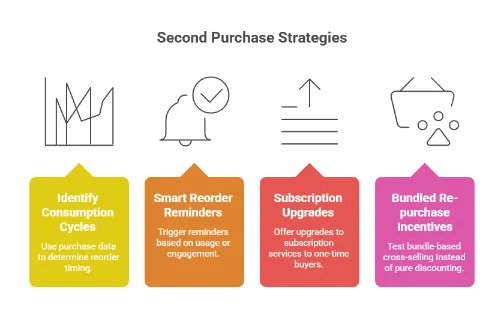
Your job between days 14 and 21 is to trigger that second purchase before attention shifts to competitors. Here’s how to go about that:
- Identifying product consumption cycles: Replenishment timing should be data-driven. Use purchase data, historical reorder intervals, and any behavioral data from your customer relationship management (CRM) or customer data platform (CDP) tools to determine when the customer might want to reorder.
- Set up smart reorder reminders: Instead of blasting a generic discount email, trigger a reorder reminder when the estimated usage cycle is nearly complete or when engagement drops (open rate decline, site inactivity). Include personalized messages and one-click offers to make the process seamless.
- Subscription upgrades: If you offer subscription services, this is the ideal moment to upgrade one-time buyers. A simple upgrade flow can include “Never run out” messaging, small percentage savings, or even loyalty points incentives.
- Bundled re-purchase incentives: Instead of pure discounting, test bundle-based cross-selling. For example, add a higher-margin accessory or introduce a new SKU via Product Discovery.
Remember, acquiring a new customer can cost 5 to 25 times more than retaining an existing one. Repeat purchase optimization is dramatically more cost-efficient.
Moment #7: The 21-30 Day Value Expansion Offer
If the customer hasn’t reordered yet, days 21 to 30 are your final high-leverage window to expand value before attention fades.
Many teams underestimate this window. In reality, it determines whether a first-time buyer becomes a repeat customer or quietly disappears.
At this stage, the goal shifts from simple replenishment to value expansion:
- Increase average order value
- Introduce higher-margin SKUs
- Strengthen customer loyalty
- Deepen the customer-business relationship
This is where strategic cross-selling, loyalty programs, and personalized offers directly impact 30-day revenue per customer (and LTV).
We suggest using data to power personalized product recommendations rather than generic cross-sell emails.
Similarly, short-term, time-bound incentives can also work because momentum still exists from the first purchase. But keep the offer aligned with long-term brand loyalty, not just short-term revenue.
Return Moment: How to Turn Refund Requests Into a Second Chance
There’s another critical post-purchase moment that can make or break your customer relationships and your brand's perception. And that’s a return.
A refund request doesn’t automatically mean a lost customer.
When handled poorly, returns damage revenue, increases logistics costs, and weakens brand loyalty. And when handled strategically, they can strengthen trust, improve the post-purchase experience, and even create a second conversion opportunity.
Returns are common in e-commerce. According to the National Retail Federation (NRF), total retail returns in 2022 amounted to $816 billion, with an average return rate of 16.5% of total retail sales. This is just the structural reality of e-commerce brands.
However, the experience of returning matters just as much as the purchase itself. Narvar’s consumer research found that 96% of consumers say they would shop with a retailer again based on an easy returns experience.
This is where the return moment becomes a retention strategy instead of a loss event.
When a customer initiates a refund, they are signaling friction. Your goal is to understand whether the issue is:
- Product fit
- Usage confusion
- Shipping damage
- Expectation mismatch
- Late delivery (logistics failure)
Using tracking updates, post-purchase surveys, and CRM tools like Salesforce or HubSpot, you can segment refund requests by root cause. That segmentation becomes actionable behavioral data, improving both customer service and long-term ecommerce success.
Proven Tips to Win Customers Through the Returns Process
Now, let’s explore some more tips to turn refunds into retention moments:
- Respond quickly: Speed strongly influences customer satisfaction. Therefore, always prioritize communication and processing returns, as you would for the initial order.
- Acknowledge frustration before presenting solutions: For example, say something like this, ‘We understand that you didn’t like our product.’ Use language that’s sympathetic, then present the next steps or available solutions.
- Consider inserting a frictionless save offer: Before automatically processing a refund, offer some alternatives. For example, offer an exchange with expedited shipping or provide product education resources. You could also offer store credit with bonus loyalty points (in addition to a cash refund).
- Offer clear self-service resources for easy resolution: Don’t make it too hard for customers to initiate returns. Provide clear information on your website about the process.
- Collect customer feedback to identify systemic issues: As part of the return process or after, ask for feedback to understand what led to the return, but also how they perceived the return process.
- Use analytics to track return reasons and reduce repeat friction: Track returns and make necessary improvements to reduce the instances.
Key Metrics to Track for Post-Purchase Optimization
If you don’t measure the right metrics, you can’t prove that your post-purchase experience is increasing customer lifetime value. These metrics measure movement in retention, repeat behavior, and revenue per customer.
Let’s look at them in more detail:
| Metric | What to Track | Importance |
|---|---|---|
| 30-Day Repeat Purchase Rate | % of new customers who place a second order within 30 days; cohort comparison before vs. after post-purchase optimization; subscription vs. one-time buyer differences. | Core early indicator of customer retention and LTV growth. Repeat purchases can generate more revenue per visit than first-time buyers. |
| Time to Second Purchase | Average number of days between first and second purchase; segmented by product category, traffic source, loyalty enrollment, and Personalized Product Suggestions engagement. | Measures how effectively your post-purchase experience accelerates buying behavior. Shorter cycles increase 30-day revenue per customer. |
| Refund / Return Rate | Overall return rate, SKU-level return rate, campaign-level return rate, and return reasons collected via post-purchase surveys. | Directly impacts revenue and logistics costs. Lower preventable returns improve margin and indicate strong product education and customer support processes. |
| Review Submission Rate | % of customers submitting a product review; timing A/B testing results (Day 10 vs. Day 14); impact of loyalty points incentives. | Reviews drive social proof. Displaying reviews significantly increases conversion rates and strengthens brand loyalty. |
| Revenue per Customer (First 30 Days) | Total revenue generated per new customer cohort within 30 days; impact of upsell emails, cross-selling, post-purchase upsell flows, and subscription services. | Direct measurement of post-purchase optimization effectiveness. |
| Early Subscription Conversion Rate | % of one-time buyers converting to subscription; upgrade rate from replenishment emails; churn during first billing cycle. | Subscription adoption increases predictability, retention, and long-term customer lifetime value. |
| Customer Engagement Signals | Email replies, SMS responses, click-through rates on recommendation campaigns, loyalty points redemption, and social media engagement from UGC. | Leading indicators of future revenue and customer relationship strength. |
Another key metric to watch is CAC Payback, particularly for B2B companies that spend a lot more on acquisition than the average B2C brand.
Common Post-Purchase Optimization Mistakes That Kill LTV
Consider this a summary of what not to do after a customer converts and makes a purchase:
- Going silent after checkout: When brands stop communicating after the order confirmation, uncertainty increases and engagement drops. Customers expect proactive communication, tracking updates, and support. Silence weakens customer retention and damages brand loyalty.
- Over-discounting too early: Sending a discount email immediately after purchase trains customers to wait for lower prices. This erodes margin, reduces perceived product value, and hurts long-term customer LTV.
- Sending generic messaging: Customers expect personalized experiences based on purchase data and preferences. Generic communication ignores customer segmentation and lowers engagement, response rates, and repeat revenue potential.
- Ignoring support signals: Multiple support tickets, visits to the refund page, or negative customer feedback are early indicators of churn. When you fail to act on these signals, it increases return rates and pushes customers toward competitors.
- Asking for reviews too soon: Review requests sent before delivery or real product usage feel rushed and inauthentic. Poor timing lowers review quality, reduces submission rates, and weakens the effectiveness of social proof.
Increase LTV for Revenue Growth
Increasing customer lifetime value in the first 30 days and beyond requires the right post-purchase experience at the right time. It takes optimizing the experience right after with a structured post-purchase series automation.
Data, of course, is central to all that. When powered by first-party data, behavioral insight, and strong analytics, these moments become predictable revenue drivers.
This is where an experienced partner like 9AM can help.
As a media buying and analytics expert, we help you improve retention by using data to guide smarter decisions across the entire customer journey. We build strategies that move customers from awareness to conversion to retention. As a result, your business captures more long-term revenue from every customer.
FAQs
What is an example of a post-purchase?
A post-purchase moment is any interaction that happens after checkout. Examples include an order confirmation email, shipping updates, a Thank You page, product education content, a product review request, or a post-purchase upsell.
What is post-purchase optimization?
Post-purchase optimization or post-optimization refers to improving performance after the initial conversion event. In e-commerce, this means optimizing the post-purchase experience to increase retention, repeat purchase, and brand loyalty.
How to increase LTV?
To increase customer lifetime value:
- Optimize the confirmation page with cross-sell or one-click offer opportunities
- Launch a structured post-purchase series (education, support, review trigger)
- Implement loyalty programs or point-based systems
- Trigger replenishment or subscription upgrades
- Use post-purchase surveys to gather customer feedback
- Re-engage lost customers with targeted win-back email campaigns
What is a good CAC:LTV ratio?
A commonly accepted benchmark for a healthy CAC:LTV ratio in digital marketing is 3:1, meaning customer LTV should be at least three times customer acquisition cost.
What is the best way to engage with a customer after their purchase?
The most effective way to engage a customer after purchase is through structured, personalized communication that delivers value rather than pressure. This could include feedback/review requests, offers, product-related information, and upgrades.
How does 9AM help improve the customer journey?
9AM, as a media measurement expert, can help your brand understand the customer journey through attribution. With sophisticated tools, we can trace and track customer interactions, as well as pre- and post-conversion actions, to determine pain points, campaign bottlenecks, and channel efficacy, and improve both campaigns and the customer journey mapping through the funnel.
Appendix
- https://www.envive.ai/post/post-purchase-loyalty-metrics?
- https://www.emarketer.com/content/why-retailers-should-care-about-post-purchase-experience
- https://contentmarketinginstitute.com/video-visual-content/why-most-video-content-fails-to-reach-its-full-potential-new-research
- https://www.envive.ai/post/customer-retention-in-ecommerce-statistics
- https://www.businesswire.com/news/home/20220420005141/en/Verte-Research-Reveals-Consumers-Are-Obsessed-With-Order-Tracking-Visibility
- https://www.accenture.com/us-en/insights/song/customer-service-on-the-brink
- https://queue-it.com/blog/loyalty-program-statistics/
- https://www.pwc.com/us/en/services/consulting/library/consumer-intelligence-series/future-of-customer-experience.html
- https://inbeat.agency/blog/ugc-statistics
- https://www.gartner.com/en/digital-markets/insights/social-proof-statistics
- https://spiegel.medill.northwestern.edu/how-online-reviews-influence-sales/
- https://hbr.org/2014/10/the-value-of-keeping-the-right-customers
- https://nrf.com/media-center/press-releases/2022-retail-returns-rate-remains-flat-816-billion
- https://corp.narvar.com/blog/returns-policy-boost-sales